
Winter brings a very different set of challenges to construction and lifting projects. Shorter days, unpredictable weather and colder conditions all have a direct impact on how crane operations are planned and carried out. While lifting work doesn’t stop when temperatures drop, winter does demand a more considered, professional approach.
So what exactly makes winter such a challenging season for crane operations? And how do experienced lifting teams adapt to keep projects moving safely and efficiently? We discuss all the reasons in our blog below.
The biggest variable on-site is the weather
Ask any crane operator or site manager what the biggest winter challenge is, and weather will almost always top the list. In the UK, winter weather isn’t just cold, it’s also wind, rain, ice and occasional snow, which can all affect lifting operations in different ways.
Wind and lifting stability
High winds are one of the most common reasons lifts are delayed or rescheduled during winter. Strong gusts can:
- Affect load stability
- Increase the risk of uncontrolled movement
- Make precision lifting more difficult
Even when a crane is well within its lifting capacity, wind can turn a straightforward lift into a higher-risk operation. That’s why wind speed and direction are continuously monitored, and why experienced teams will pause a lift if conditions change.
Rain, ice and reduced grip
Wet and icy conditions affect the entire site, not just the crane. Slippery surfaces can impact:
- Crane set-up and outrigger stability
- Access routes for delivery vehicles
- Safe movement of personnel around the lift zone
In winter, additional checks are often needed to ensure ground conditions remain suitable, particularly on softer or uneven surfaces.
Mechanical considerations when it’s a cold start
Cold weather can place extra strain on machinery, and cranes are no exception. Low temperatures can affect engines, hydraulics and electronic systems, making cold starts a key consideration during winter operations.
Why do cold starts matter?
In colder conditions, oils and hydraulic fluids thicken, which can lead to:
- Slower system response times
- Increased wear if the machinery isn’t properly warmed up
- Greater risk of mechanical issues if checks are rushed
Professional crane teams account for this by allowing additional warm-up time and carrying out more detailed pre-use inspections. It’s not about getting the crane moving quickly; it’s about getting it moving correctly.
Battery and electrical performance
Cold weather can also affect battery performance, particularly on modern cranes with advanced electronic systems. Regular testing and monitoring are essential to avoid unexpected downtime during a lift.
Shorter days and reduced visibility
Winter days are shorter, and reduced daylight can have a real impact on crane operations, especially on busy or complex sites.
Poor visibility increases the importance of:
- Clear communication between the operator and the slinger/signaller
- Well-lit working areas and lift zones
- Carefully defined exclusion zones
For lifts carried out early in the morning or later in the afternoon, additional lighting may be required to maintain safe working conditions.
Increased importance of lift planning
While lift planning is critical all year round, winter conditions make it even more essential. There’s far less room for error when the weather and daylight are working against you.
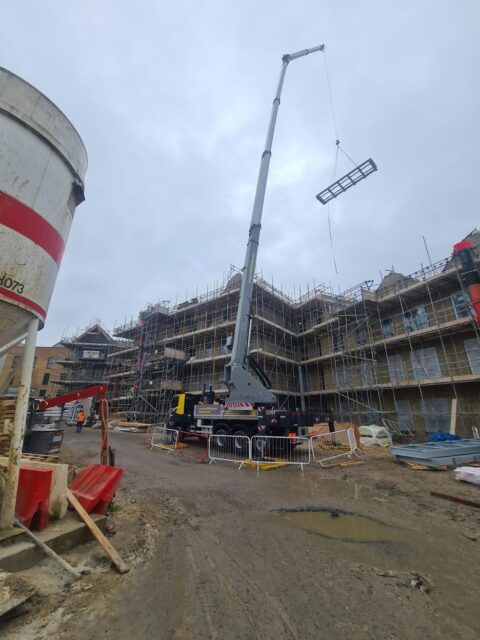
So what changes in winter lift planning?
More detailed risk assessments
Winter risk assessments place greater emphasis on:
- Weather forecasts and wind limits
- Ground conditions and drainage
- Access routes and traffic management
- Emergency procedures if conditions deteriorate
Plans are often reviewed closer to the lift date to ensure they still reflect real-world conditions.
Built-in flexibility
Winter planning also means accepting that conditions can change quickly. Professional teams build flexibility into programmes so lifts can be paused, adjusted or rescheduled without compromising safety.
How experienced professionals adapt to the weather
The reality is that winter crane operations rely heavily on experience. Knowing when it’s safe to proceed and when it’s not comes from years of hands-on lifting in challenging conditions.
Proactive decision-making
Experienced teams don’t wait for problems to appear. They anticipate them. That might mean:
- Scheduling lifts earlier in the day to maximise daylight
- Adjusting lift sequences to suit weather windows
- Increasing supervision on colder or wetter days
These small adjustments can make a big difference to safety and efficiency.
Clear communication on site
Cold, wet conditions can make sites feel more pressured, especially when deadlines are tight. Strong communication becomes even more important in winter, ensuring everyone involved understands the lift plan, their role and when to stop if conditions change.
Does winter mean delays are inevitable?
Not necessarily. While winter does bring additional challenges, it doesn’t mean lifting work has to grind to a halt. With proper planning, experienced personnel and the right approach, crane operations can continue safely throughout the colder months.
The key is recognising that winter lifting isn’t about pushing through poor conditions, it’s about working smarter around them.
Why does experience matter more in winter?
Anyone can lift when conditions are ideal. Winter separates routine lifting from professional lifting. It’s the season where:
- Planning is tested
- Decision-making matters
- Experience really shows
Choosing a lifting provider with proven winter operating experience helps reduce risk, minimise delays and keep projects on track when conditions are less predictable.
Keeping your projects moving, whatever the season
Winter presents genuine challenges for crane operations, from weather and cold starts to reduced visibility and tighter planning margins. But with the right expertise, equipment and mindset, those challenges can be managed safely and effectively.
By adapting to conditions, planning thoroughly and putting safety first, professional lifting teams ensure that winter doesn’t become a barrier, just another factor to work around.
If you’re planning lifting work during the colder months, getting expert advice early on can make all the difference. Get in touch with our team to discuss your requirements and ensure your project runs smoothly and safely, whatever the weather.